This project explores how AI can dynamically personalise the post‑purchase experience on travel platforms. Focusing on the often-generic checkout and confirmation stages, it uses existing user data to generate relevant, real-time content that adapts to each traveller.
The use and application of AI is exploding. Every day, we’re seeing new tools, plugins, and platforms—most of them just ChatGPT wrappers. Well… this one kind of is too. But instead of focusing on chatbot interactions or magic "Generate" buttons, this project explores something more subtle: What if AI could reshape the content of a webpage based on who's looking at it—without the user ever typing, clicking, or even noticing?
No prompts. No UI interactions. Just a dynamic, personalised experience built entirely from the existing data already known about the user—like their age, travel purpose, destination, season, or group type. This project imagines the application of that kind of seamless, context-aware AI system—used specifically in the checkout and confirmation pages of travel platforms, where personalisation usually disappears.
AI gives us the opportunity to deliver hyper-specific personalisation at incredible scale. This concept is a proof-of-possibility for what that might look like.
This project is not a traditional UX case study. If you’re after that, I’d recommend checking out my other design projects. This was developed as a proof of concept, exploring how AI can create richer, context-aware travel experiences. Given the experimental nature and sprint constraints, the process doesn’t follow the standard Double Diamond or end-to-end UX methodology.
This project was developed as part of a university course centred on the exploration of AI in design. Rather than following a traditional UX brief, the task was open-ended: identify a real-world problem and investigate how AI could be meaningfully applied.
The aim wasn’t to create a refined product, but to push the boundaries of emerging technologies and explore how AI could unlock new opportunities for context-aware and user-adaptive design.
Over the course of a 7-week sprint, I developed the concept from initial idea through to proof-of-concept. The work included defining the problem space, researching data viability, mapping opportunities, and building a functional demo. While this wasn’t a full end-to-end design process, the goal was to justify the opportunity, build a clear vision for the solution, and demonstrate how AI could be integrated seamlessly into the user experience.
This was for the most part an individual project, meaning I was responsible for every stage of the process—from research and concept framing to system logic, content design, and technical build.
Low engagement.
Lack of relevance.
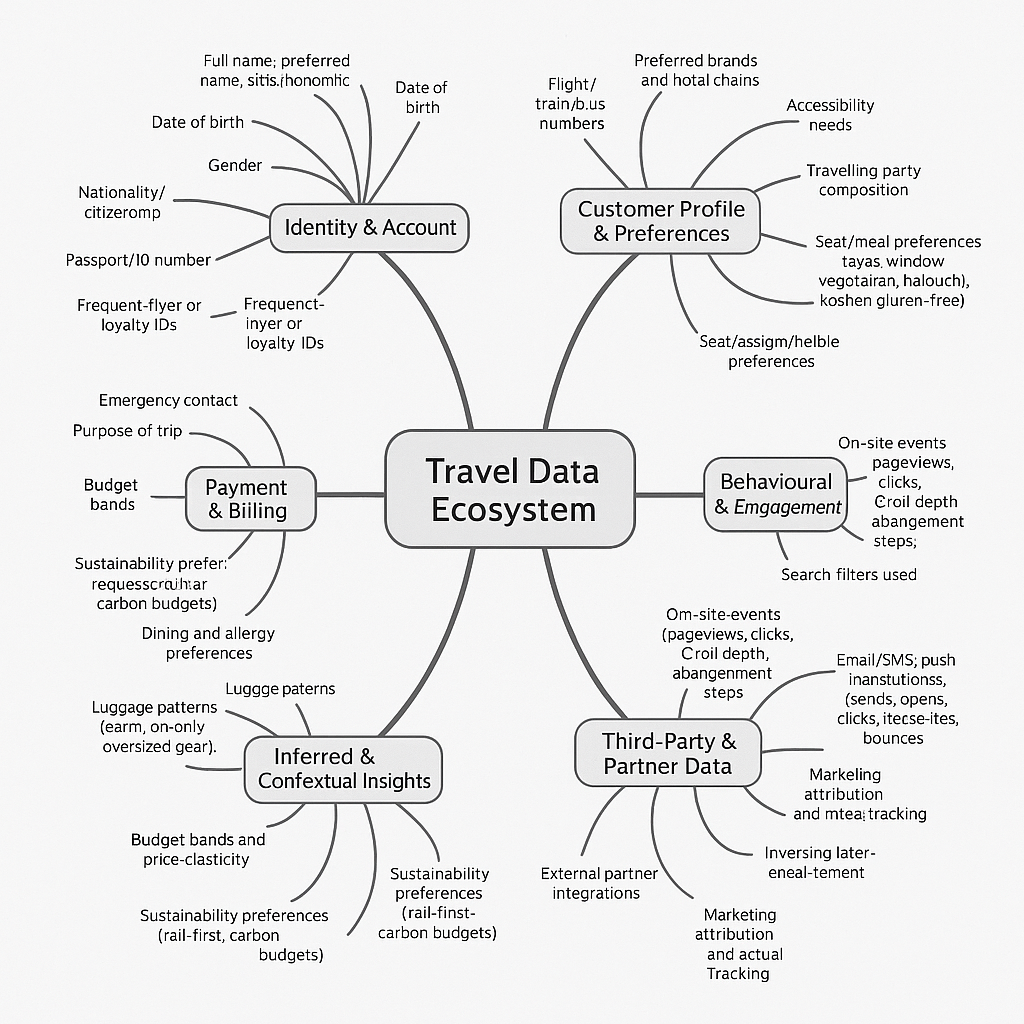
Lots of data.
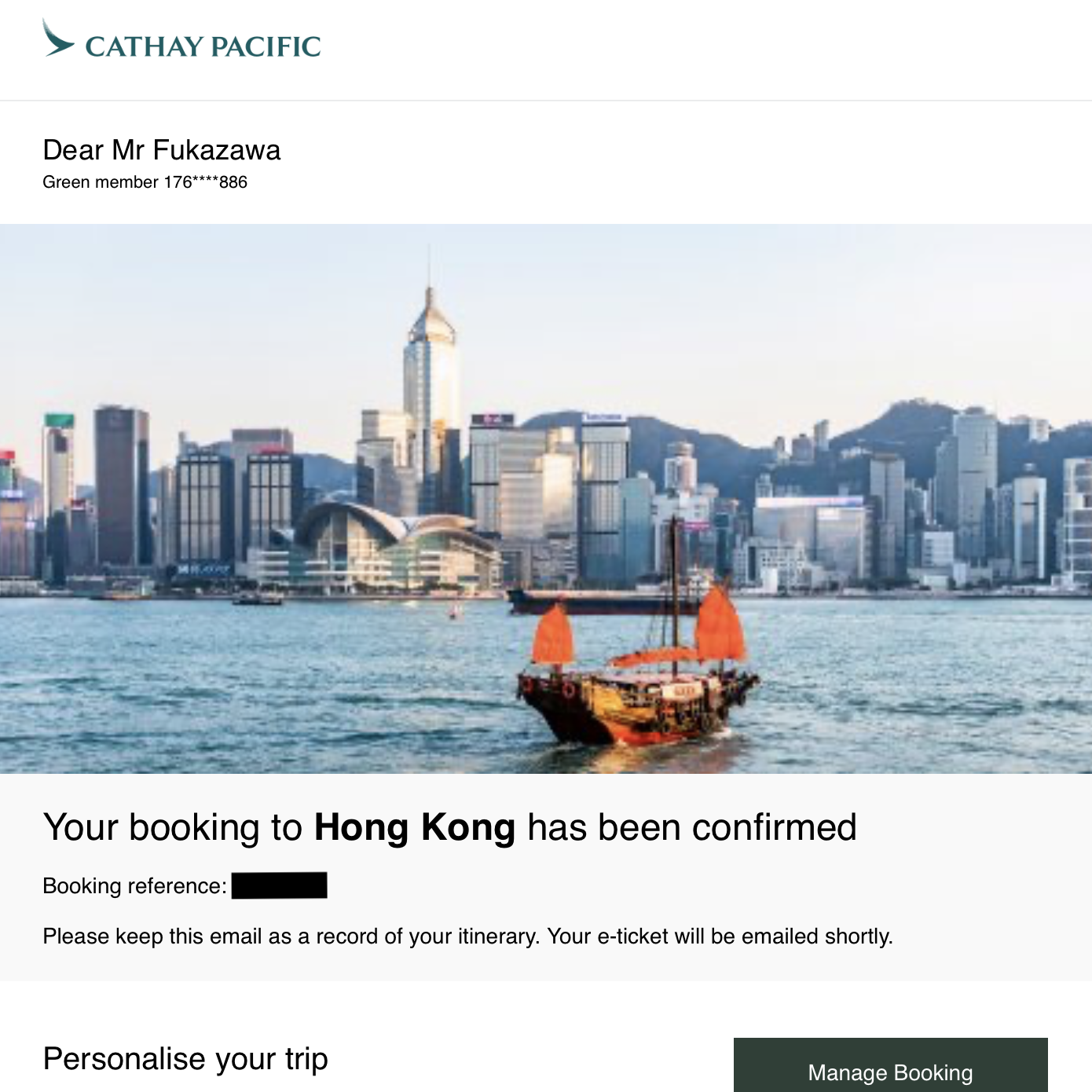
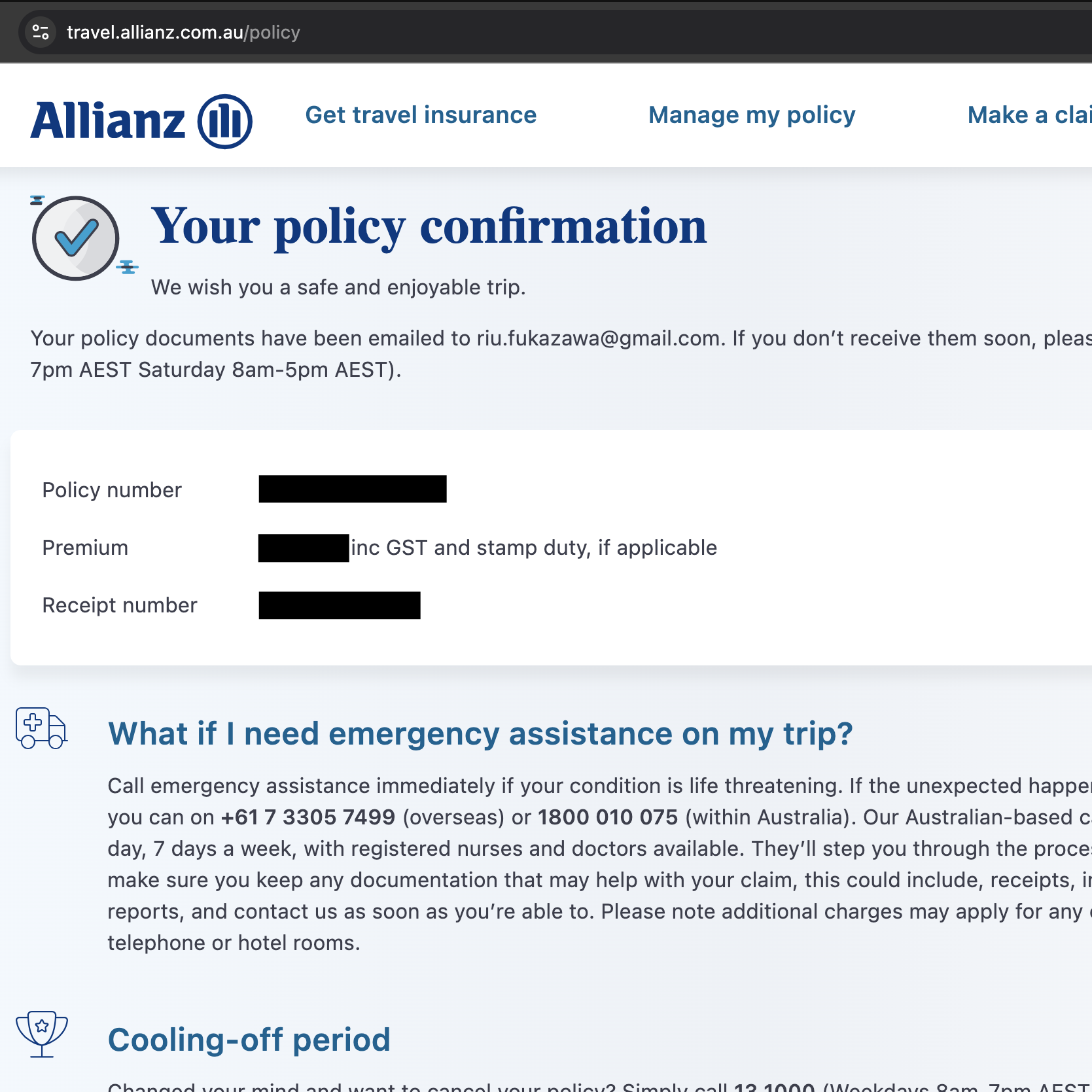
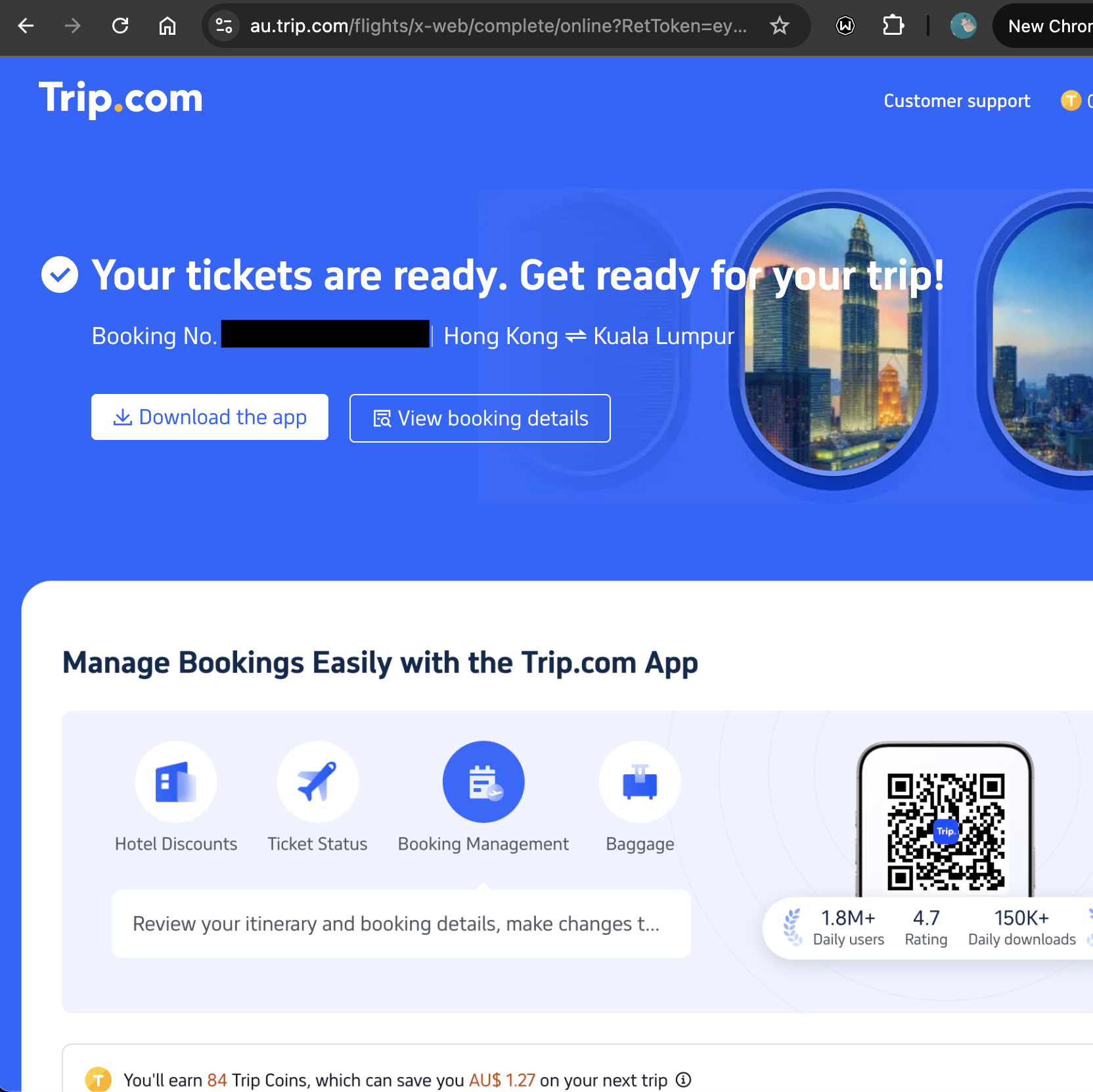
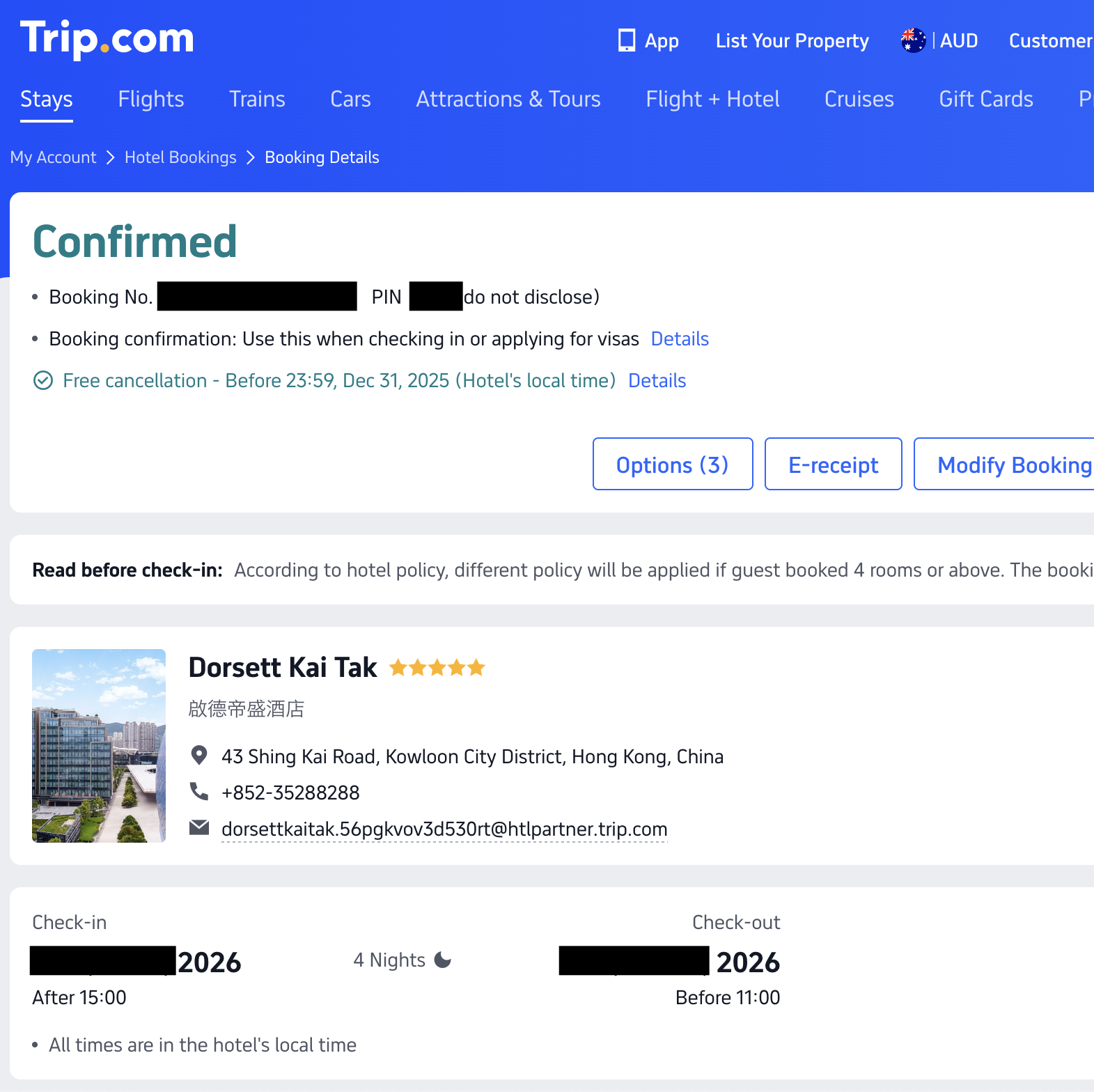
You’re booking your next holiday or travel adventure, and the itinerary is coming together. You’re excited, right? Until you hit the checkout page. Suddenly, all that excitement? Gone. Generic, boring, lifeless. “your purchase is complete”. These words should add magic, not kill it.
These companies know a lot about you, where, when, why your traveling. But Personalisation? Practically nonexistent. At least, until now.
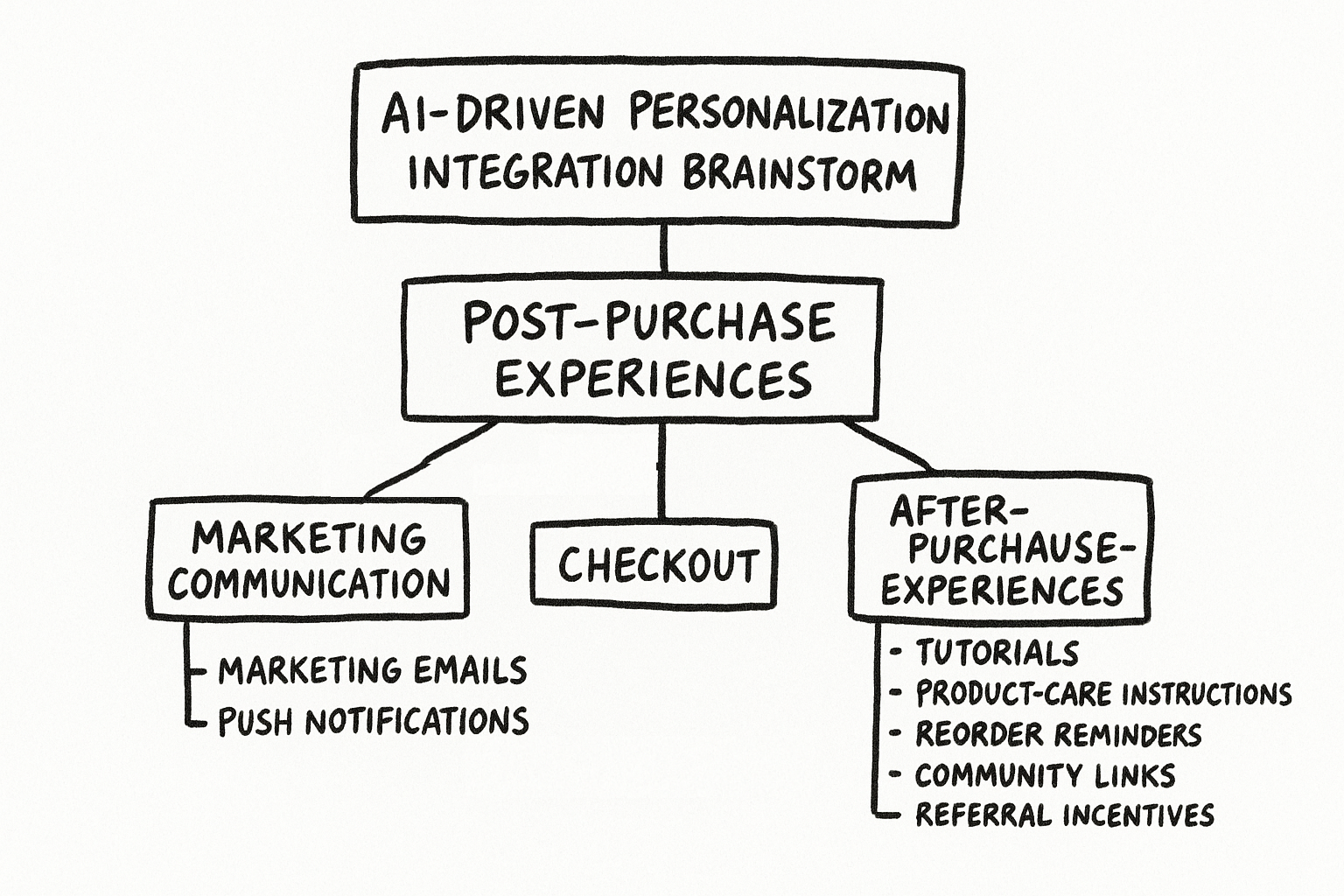
We noticed personalisation in travel stops the moment you hit ‘book now’—but that’s where it should start
Click to expand
With no time for user interviews, we flipped the script and used existing data as our playground
Click to expand
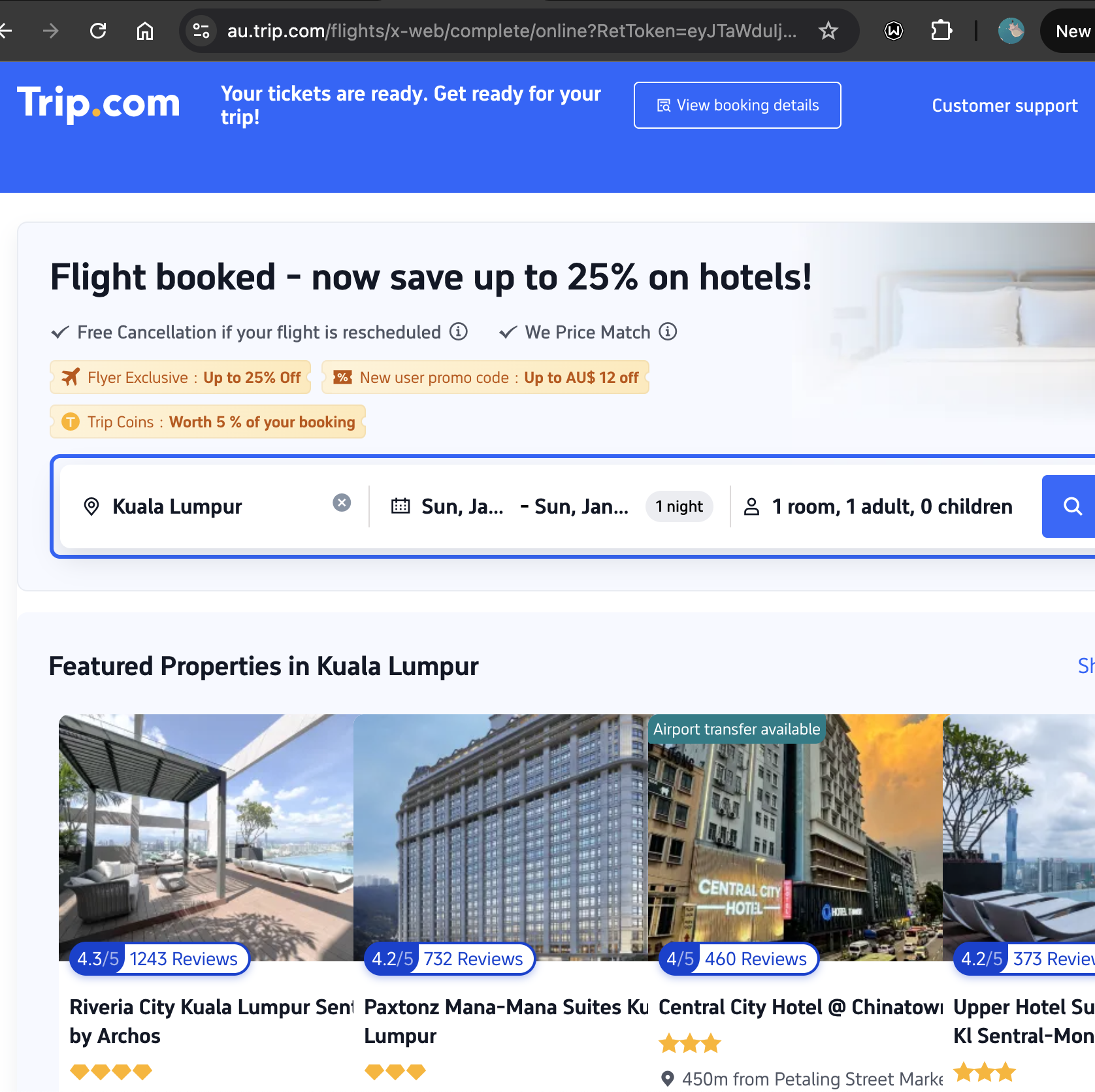
Everyone’s personalising the search—nobody’s personalising the journey after you’ve booked
Click to expand
To position this concept, I analysed how major travel platforms currently use data and AI.
This gap is exactly where my concept sits: using AI to personalise the moments after purchase; the confirmation, the lead-up, and the support no platform currently designs for.
Bellow is a fully functional version of the prototype i’ve integrated into webflow. Try it yourself and see how it custom adapts to specific users and cases. The goal isn’t just dynamically generated website content, its hyper personalised content.

Hi Dewi — your Tokyo family holiday is all set!
It’s your first overseas trip, with seven nights in late December coming from Jakarta. Expect crisp winter days, dazzling lights, and kid-friendly adventures across theme parks, shopping malls, and relaxed sightseeing. Here’s a short, practical wrap-up tuned to your plans so you can travel with confidence.
Most Indonesian passports require a Japanese tourist visa, unless you have an e-passport that’s been pre-registered for visa-free entry — confirm with the Japanese Embassy in Jakarta and allow time for processing. Before you fly, complete Visit Japan Web to generate immigration and customs QR codes; it’s optional but usually shortens the queue.
With kids and luggage, the Airport Limousine Bus is the easiest option from Haneda or Narita to major hotels and the Tokyo Disney area. Alternatively, choose the Keisei Skyliner (Narita) or Tokyo Monorail/Keikyu (Haneda) for a fast rail trip into the city. Tokyo is two hours ahead of Jakarta, so jet lag is minimal — plan early starts and earlier bedtimes on your first day.
Comprehensive travel insurance covering medical care and delays is strongly recommended for families.
Late-December Tokyo is cool and dry, around 3–10°C, with sunset near 4:30 pm. Pack layers (thermal tops, jumpers, warm jacket) plus beanies, gloves, and comfortable walking shoes. Indoor spaces are well heated — dress so you can peel off layers easily, and bring lip balm and hand cream for the dry air.
For the parks, buy dated tickets in advance via official apps and check for same-day paid express options. Stroller hire and lockers are available at both Tokyo Disneyland and DisneySea.
Cosy, indoor picks for chilly days include Sanrio Puroland, the Sumida Aquarium at Tokyo Skytree, and easy shopping at Ikspiari (Disney Resort) or Odaiba’s DiverCity.
Pick up a Suica or PASMO transport card on arrival. Ask station staff to set up child cards for half fares — they can be used for trains, buses, and many shops. Japan is largely cashless, but smaller eateries still prefer cash — withdraw yen at 7-Eleven or Japan Post ATMs and use your card or phone where accepted. Stay connected with an eSIM or pocket Wi-Fi from the airport; having maps and translation tools handy makes your first trip simple.
For mild, family-friendly meals, try chicken or shoyu ramen, Japanese curry rice, tempura, and gyoza. If you need halal options, the Halal Gourmet Japan app is a reliable guide around Asakusa and Shinjuku.
Power sockets: Type A, voltage 100 V — bring a universal adaptor; most phone and laptop chargers (100–240 V) work fine.
Have a magical week in Tokyo — selamat jalan, Dewi!

Jordan, your Kyoto spring getaway is locked in.
Twelve nights gives you time to wander slow — perfect for temple walks, design detours, and third-wave coffee. April brings mild days, cool evenings, and the tail-end of cherry blossoms with fresh greens — ideal light for photography.
As a frequent traveller, this guide stays tight: key arrival moves, crowd-savvy timing, and design-forward picks to match your style.
Flying into Kansai (KIX)? Take the JR Haruka Express straight to Kyoto Station — about 75 minutes. Reserve a seat online and board with a QR code. If you arrive via Itami (ITM), the airport limousine bus is the most direct route to Kyoto Station.
Add an IC transit card (ICOCA, Suica, or PASMO) to your Apple/Google Wallet for tap-on fares across trains, subways, and most buses; top up in the app or at stations to skip ticket machines.
Within Kyoto, favour trains and walking — central buses are often slow in traffic.
Carry a small float of yen for shrines and smaller cafés (7-Eleven ATMs accept foreign cards), and consider completing Visit Japan Web to speed immigration and customs.
Beat the crowds by going early:
• Fushimi Inari before sunrise,
• Arashiyama’s bamboo grove before 8 a.m.,
• Higashiyama lanes on weekday mornings.
Save blue hour for Yasaka Pagoda and Shirakawa-dori.
For architecture, mix contrasts — Hiroshi Hara’s Kyoto Station Skyway with wooden machiya streets, Tadao Ando’s Garden of Fine Art, and the KYOCERA Museum of Art with MoMAK for contemporary works.
If you have a spare day, the Miho Museum (by I. M. Pei) blends glass, steel, and hillside forest beautifully.
For coffee precision: Weekenders Coffee, Kurasu Kyoto, % Arabica (Higashiyama/Arashiyama), and Vermillion near Fushimi Inari.
If your stay touches Golden Week (from 29 April), pre-book museums and restaurants.
Expect 8–20°C with light showers — pack layers, a compact waterproof, and shoes that handle cobbles and temple stairs. Many temples ban tripods and drones; in Gion’s private alleys, photography is restricted — ask before shooting people and keep gear discreet.
Solo dining is normal — book kaiseki counters and design-forward cafés ahead via TableCheck or a hotel concierge (strict no-show policies apply). Tipping isn’t customary; cards are widely accepted, though cash may still be required at smaller spots.
Kyoto in spring awaits — have an inspiring trip, Jordan!

Bonjour Harold and Margaret — your 9-night Paris escape this September is locked in.
While it’s early spring in Melbourne, Paris enjoys mellow late-summer days, ideal for art, gardens, and unhurried strolls. As retired teachers returning to Europe after some time, this plan keeps things comfortable and curated without fuss. Below are the details that matter most — so you can settle in quickly and spend more time savouring than queuing.
After the long overnight from Melbourne, the easiest arrival at Paris Charles de Gaulle (CDG) is a pre-booked chauffeur: meet-and-greet at the exit, help with luggage, and a fixed fare to your hotel. Official taxis are also reliable with set fares — about €53 to the Right Bank or €58 to the Left Bank. Join the signed taxi queue and ignore touts. Expect 45–60 minutes to reach central Paris depending on traffic. The RER B train is an option, but with luggage and occasional stairs, a car is usually more comfortable.
To ease the 8-hour time difference, spend your first afternoon in gentle daylight — a riverside stroll and early dinner help the body clock adjust.
Book timed entries for major museums — especially the Louvre, Musée d’Orsay, and the Orangerie — and note weekly closures:
- Louvre — Tuesday
- Orsay — Monday
- Orangerie — Tuesday
The Paris Museum Pass can be good value if you plan several visits across your nine nights; even with it, reserve time slots for the busiest venues.
For beautiful, easy walks, visit the Jardin du Luxembourg and the Tuileries. Consider a half-day to Monet’s Garden at Giverny (open roughly April–November) — it offers level paths and gorgeous blooms. For accessible views, try the Montparnasse Tower or the Eiffel Tower lifts; in Montmartre, use the funicular to reach Sacré-Cœur comfortably.
September is mild — around 12–22°C with the occasional shower. Pack layers, a light rain jacket, and supportive walking shoes.
Dining in Paris is reservation-led: book popular bistros or Michelin picks early, and look to lunch tasting menus for excellent value. Service is included, so tipping is optional — round up or leave 5–10% for standout service. Cards and contactless payments are accepted almost everywhere, but carry a little cash for markets.
Australia uses Type I plugs; France uses Type C/E (230V) — bring a universal adaptor. If you need data, set up a travel eSIM before you fly for reliable coverage.
Bon voyage — Paris is yours to savour, Harold and Margaret!
The goal of this project isn’t to show a dynamically generated website content, thats not new. This website, will try to show what it thinks is you want to know, and what you should know based on what you probably don’t know. For example:
Such a hyper personalised experience would have been too much work to implement well before AI, and AI has opened the door for infinitely scalable personalisation in so many industries.
So as you can see it generates something. But the biggest question is does it actually personalise the content to each specific user? is it providing valuable insights, advice or comfort to the users? or is it generating generic content each time?
To evaluate this, I created a persona checklist — a structured way to test whether the AI was genuinely adapting its tone, content, and priorities to each user, rather than just generating generic travel copy. Each checklist outlined what I expected to see (key inclusions and omissions) based on that traveller’s background, experience, and goals. By comparing the generated output against these criteria, I could measure how well the model understood contextual nuances — for example, whether it gave family-focused reassurance for Dewi, efficient insider tips for Jordan, or comfort and accessibility for Harold and Margaret. This process turned subjective impressions into something observable and repeatable, allowing me to critique the system’s strengths and pinpoint where it went wrong with defaulted or generic information.
Family first-time traveller.
Click to expand
Independent design-savvy solo explorer.
Click to expand
Comfort-first retired couple.
Click to expand
Across the three personas, the AI demonstrates credible personalisation range, from Dewi’s guided reassurance, through Jordan’s creative autonomy, to Harold and Margaret’s comfort-centric clarity. The system clearly adapts to intent, region, and confidence level.
These persona evaluations hint where future iterations should cut redundancy and deepen contextual sensitivity. While proof that the personalisation is working, it still needs further refinement.
The program begins by combining any existing user information—such as travel preferences, past destinations and experiences, and demographic details such as occupation, age and gender — with real-time data about the searched destination, including weather, hotels, activities, customs requirements and cultural factors.
Vercel acts as the server-side logic layer. It receives the JSON payload from Webflow and forwards it to the Wordware API.
Using the combined input, the system builds a more detailed travel persona. This includes generalising traits and expanding on inferred needs, like budget considerations, temporal experience, language support, climatic needs...
This is where the real magic happens. Wordware runs a three-step internal AI process (using ChatGPT ) to generate hyper-personalised output:
Finally, the program generates a customised post-search checkout page. This page includes tailored recommendations for accommodations, activities, health and safety tips, required travel documents, and local transport options—curated to align with the user's persona and destination data.
The AI’s final output is sent back to Vercel, which filters and returns the cleaned JSON. Webflow’s JavaScript then takes that response and dynamically inserts the content into the appropriate divs on the page — no page reloads, no buttons, just seamless personalisation.
Every project starts with curiosity, and this one began with a question: What if AI could make a website feel genuinely personal—without the user ever typing, clicking, or asking?
This project began as a university brief to apply AI meaningfully—find a problem space and design an intervention. I started fast: a Wordware.ai prototype that ingested a few simple inputs (name, age, nationality) and chained LLM steps to infer personality traits and recommend accommodation. It worked—but that early success exposed a bigger truth: LLMs aren’t recommendation engines. They’re language models. What I’d built competed with mature, data-driven algorithms already used by Booking.com, Expedia, and Trip.com, and brought no clear advantage. That realisation was a turning point: learn the difference, and use the right tool for the job.
Rather than force LLMs into matching tasks, I reframed the problem around their natural strength—language and context. If algorithms are excellent at ranking hotels, what’s missing is the human layer: the “why,” the nuance, the for-you context that lives in copy, guidance, and tone. I shifted the focus to the post-purchase moment (checkout/confirmation), where personalisation usually disappears. The question became: What if AI could quietly reshape page content based on known user data—no chat prompts, no buttons—so the experience felt specific, timely, and helpful?